Archives
- 2026-08
- 2026-07
- 2026-06
- 2026-05
- 2026-04
- 2026-03
- 2026-02
- 2026-01
- 2025-12
- 2025-11
- 2025-10
- 2025-09
- 2025-03
- 2025-02
- 2025-01
- 2024-12
- 2024-11
- 2024-10
- 2024-09
- 2024-08
- 2024-07
- 2024-06
- 2024-05
- 2024-04
- 2024-03
- 2024-02
- 2024-01
- 2023-12
- 2023-11
- 2023-10
- 2023-09
- 2023-08
- 2023-07
- 2023-06
- 2023-05
- 2023-04
- 2023-03
- 2023-02
- 2023-01
- 2022-12
- 2022-11
- 2022-10
- 2022-09
- 2022-08
- 2022-07
- 2022-06
- 2022-05
- 2022-04
- 2022-03
- 2022-02
- 2022-01
- 2021-12
- 2021-11
- 2021-10
- 2021-09
- 2021-08
- 2021-07
- 2021-06
- 2021-05
- 2021-04
- 2021-03
- 2021-02
- 2021-01
- 2020-12
- 2020-11
- 2020-10
- 2020-09
- 2020-08
- 2020-07
- 2020-06
- 2020-05
- 2020-04
- 2020-03
- 2020-02
- 2020-01
- 2019-12
- 2019-11
- 2019-10
- 2019-09
- 2019-08
- 2019-07
- 2019-06
- 2019-05
- 2019-04
- 2018-11
- 2018-10
- 2018-07
-
The cytoprotective effects of glyRs have been reported to
2021-11-29
The cytoprotective effects of glyRs have been reported to associate with the MAPK (JNK, ERK1/2 and p38) signaling pathways [47], [48]. The present study reveals that suppressive phosphorylation of cRaf-MEK1/2-ERK1/2 is initiated by glycine – glyR α2 interactions in cardiomyocytes. As a central regul
-
To further investigate the molecular mechanisms that underli
2021-11-29
To further investigate the molecular mechanisms that underlie glycine's β-cell protective effects through its antioxidative activity in diabetes, we used a H2O2/high glucose-induced apoptosis cell model. Similar effects on ROS generation of high glucose and H2O2 support the in vivo results, suggesti
-
After brain injury adenosine levels rapidly increase
2021-11-29
After brain injury, adenosine levels rapidly increase in the brain [9,10]. As shown in our previous studies, the increased adenosine concentration acts on adenosine A2A receptors (A2ARs), increasing post-traumatic glutamate levels in the brain and exacerbating the severity of injuries [11,12]. Accor
-
br Introduction Glucokinase GCK hexokinase
2021-11-29
Introduction Glucokinase (GCK, hexokinase IV) is a monomeric enzyme that catalyzes the ATP-dependent conversion of glucose to glucose 6-phosphate, the first and rate-limiting step of glycolysis in the liver and pancreas [1,2]. GCK was first discovered in the early 1960's, and shortly thereafter i
-
In summary this study shows
2021-11-29
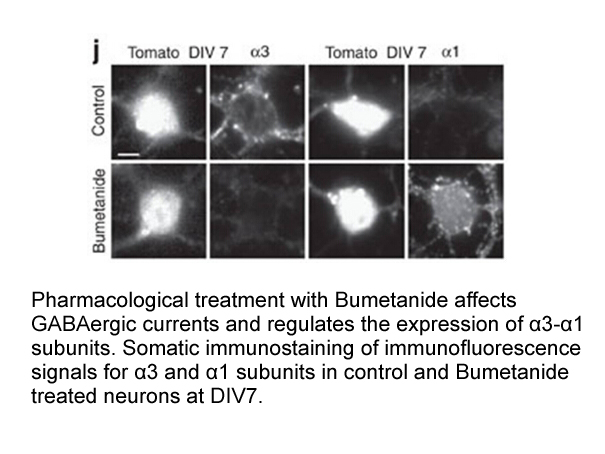
In summary, this study shows that compound 4d has strong clinical potential as an efficient GLP-1/GCGR agonist exhibits weight-lowering, lipid-regulation and diabetes-protective effects and plays an important role in the prevention and therapy of diet induced obesity and dyslipidemia. The present st
-
The Growth Hormone Secretagogue Receptor GHSR also
2021-11-29
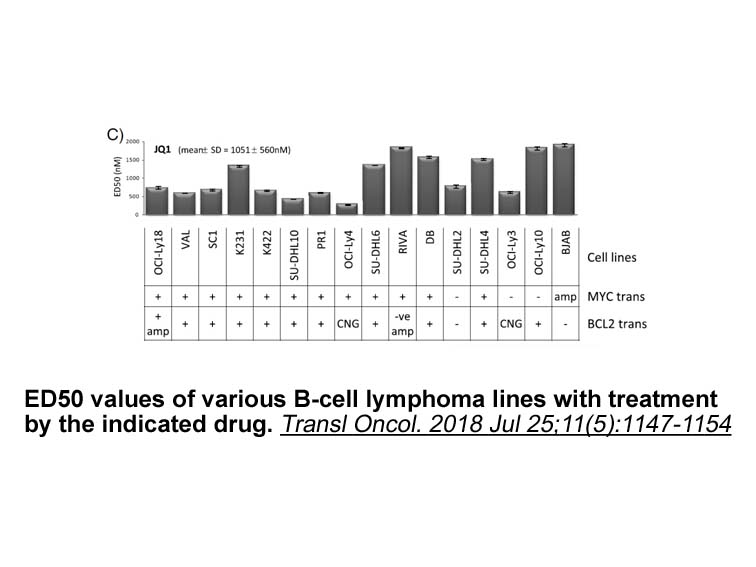
The Growth Hormone Secretagogue Receptor (GHSR), also known as the ghrelin receptor, is a G protein-coupled receptor (GPCR) expressed widely throughout the body and brain, with particular enrichment in A922500 regions concerned with homeostatic and motivational function such as the hypothalamus, hi
-
Recently several studies addressed cytological
2021-11-29

Recently, several studies addressed cytological and biochemical features of oocyte aging. It was reported that cytological changes associated with the mammalian post-ovulatory oocyte aging include chromatin disorganization, abnormal meiotic spindle location or its disruption, partial exocytosis of c
-
In a recent study Neelaveni et
2021-11-29
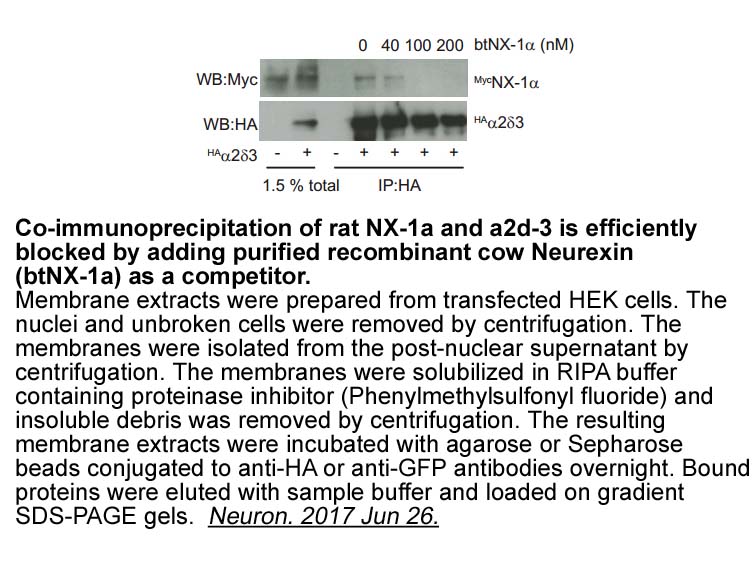
In a recent study, Neelaveni et al. [47] revealed that new thiazolidinedione derivatives (Fig. 6 a and 6 b) produced dual PPARγ and FFAR1 agonistic activity at micromolar concentrations with insulin sensitizing effects and enhanced insulin secretion from the pancreas. These derivatives were reported
-
Enhancer of Zeste Homolog EZH is
2021-11-29
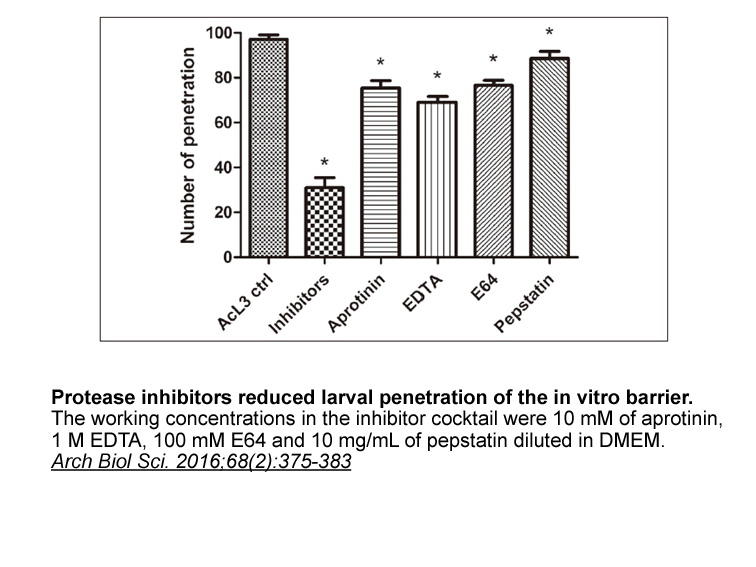
Enhancer of Zeste Homolog 2 (EZH2) is a core component of the Polycomb Repressive Complex2 (PRC2) which also includes SUZ12 and EED. PRC2 represses gene transcription through trimethylation of Lys27 of histone H3 (H3K27), and contribute to the maintenance of cell identity, GW311616 hydrochloride re
-
Two US FDA approved assays are commonly
2021-11-29
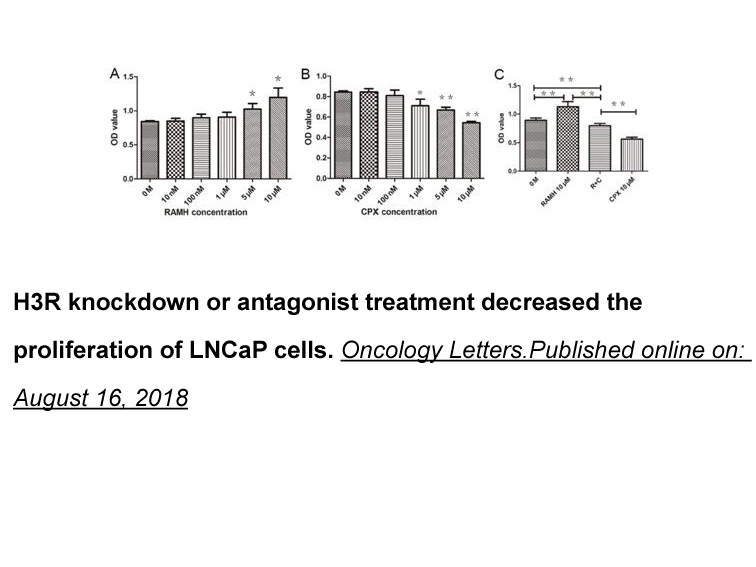
Two US FDA-approved assays are commonly used for VL monitoring: the COBAS AmpliPrep/COBAS® Taqman® HIV-1 version 2.0 (“CAP/CTM HIV-1 v2”; Roche Molecular Systems) [18], and the RealTime HIV-1 assay (“RealTime HIV-1”, Abbott Molecular) [19]. Several studies have shown good correlation between the ass
-
Introduction Cancer has been a significant public health pro
2021-11-29
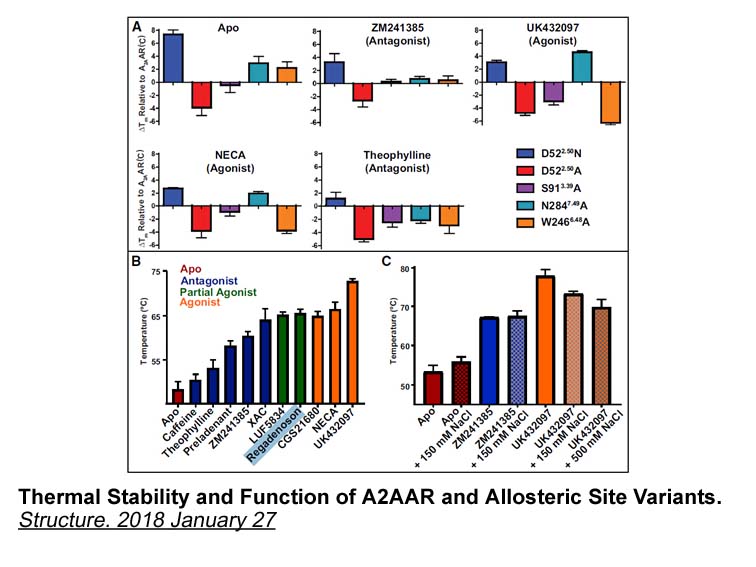
Introduction Cancer has been a significant public health problem in the world with more patients being diagnosed every year. However, chemotherapy from non-specific cytotoxic agents that as an effective means of cancer treatment is limited by severe side effects and poor selectivity. Thus, the deve
-
hiv protease inhibitor br Discussion By using ultra deep
2021-11-29
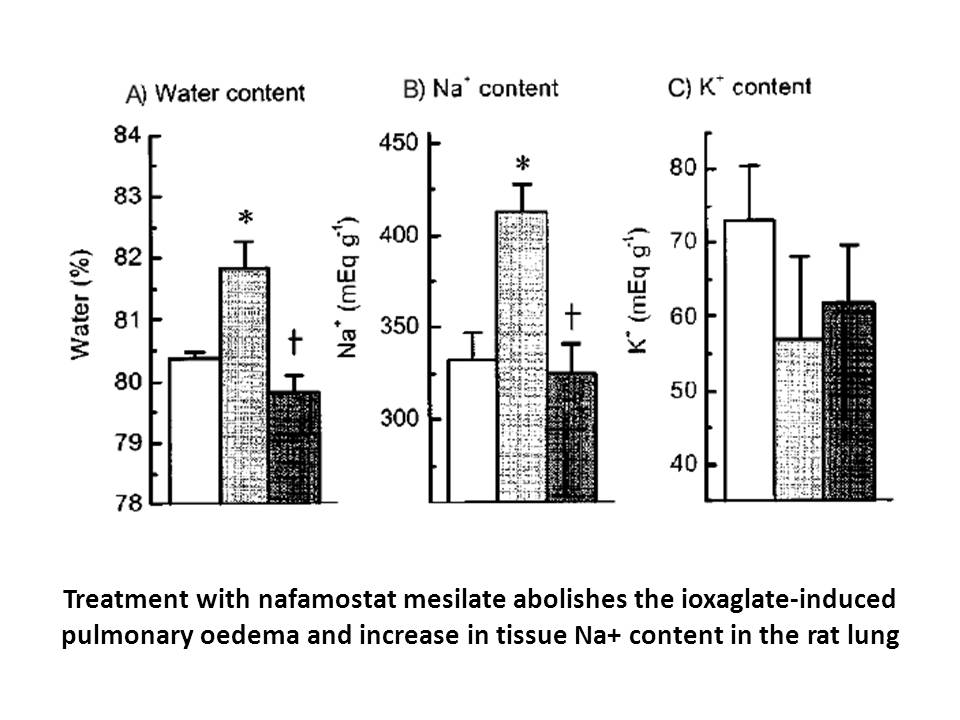
Discussion By using ultra-deep sequencing, we conducted a thorough assessment of HCV-NS3 protease variants in chronic PI-naïve patients infected with HCV-1a and HCV-1b under telaprevir-based triple therapy at baseline and after 4weeks of treatment. Several synonymous and non-synonymous substituti
-
Under most circumstances NO is a
2021-11-29
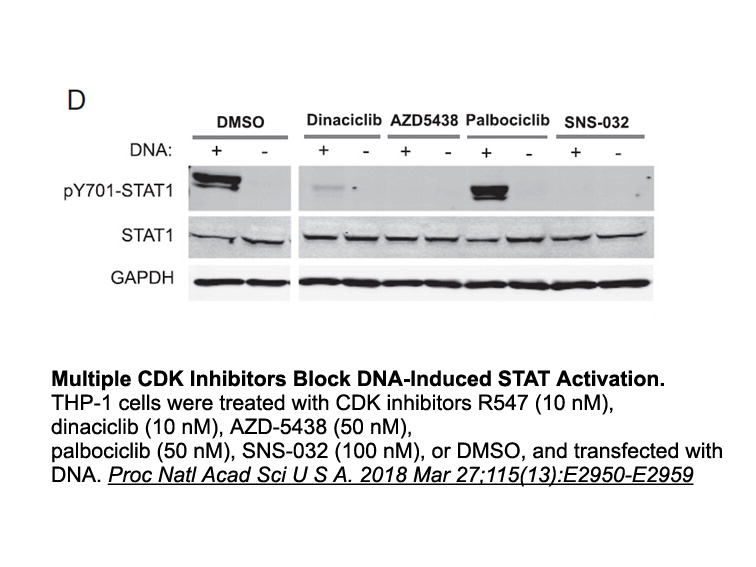
Under most circumstances, NO is a potent endogenous vasodilator. Therefore, its involvement in an endothelium-dependent contraction seems paradoxical, to say the least. Soluble guanylyl cyclase (sGC) is the major downstream target of NO; its inhibition results in the lack of vasoconstrictor response
-
Over the last few years experimental evidence for
2021-11-29
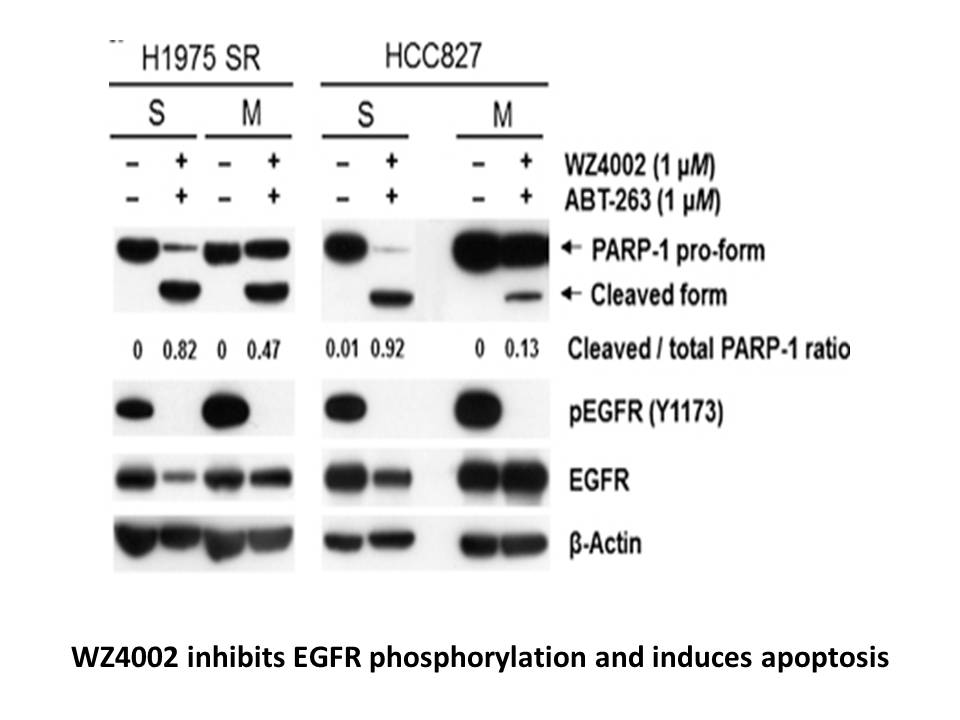
Over the last few years, experimental evidence for the involvement of Epac1 in cancer progression is beginning to emerge (Almahariq et al., 2015, Banerjee and Cheng, 2015, Parnell et al., 2015, Parnell et al., 2015, Schmidt et al., 2013). For example in melanoma cells, silencing of Epac1 attenuates
-
Our study has strengths and
2021-11-29
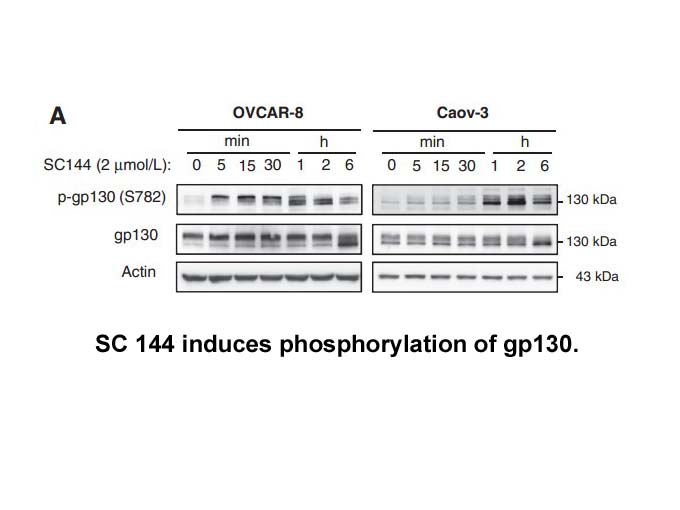
Our study has strengths and limitations. We believe we are the 1st to report a novel model of secondary hypogonadism. Several animal models for hypogonadotropic hypogonadism (kisspeptin and the kisspeptin receptor knockout) exist but we are unaware of animal models of secondary hypogonadism with dif
16703 records 590/1114 page Previous Next First page 上5页 586587588589590 下5页 Last page