Archives
- 2026-08
- 2026-07
- 2026-06
- 2026-05
- 2026-04
- 2026-03
- 2026-02
- 2026-01
- 2025-12
- 2025-11
- 2025-10
- 2025-09
- 2025-03
- 2025-02
- 2025-01
- 2024-12
- 2024-11
- 2024-10
- 2024-09
- 2024-08
- 2024-07
- 2024-06
- 2024-05
- 2024-04
- 2024-03
- 2024-02
- 2024-01
- 2023-12
- 2023-11
- 2023-10
- 2023-09
- 2023-08
- 2023-07
- 2023-06
- 2023-05
- 2023-04
- 2023-03
- 2023-02
- 2023-01
- 2022-12
- 2022-11
- 2022-10
- 2022-09
- 2022-08
- 2022-07
- 2022-06
- 2022-05
- 2022-04
- 2022-03
- 2022-02
- 2022-01
- 2021-12
- 2021-11
- 2021-10
- 2021-09
- 2021-08
- 2021-07
- 2021-06
- 2021-05
- 2021-04
- 2021-03
- 2021-02
- 2021-01
- 2020-12
- 2020-11
- 2020-10
- 2020-09
- 2020-08
- 2020-07
- 2020-06
- 2020-05
- 2020-04
- 2020-03
- 2020-02
- 2020-01
- 2019-12
- 2019-11
- 2019-10
- 2019-09
- 2019-08
- 2019-07
- 2019-06
- 2019-05
- 2019-04
- 2018-11
- 2018-10
- 2018-07
-
br Prostaglandins meet Hippo The prostaglandins lie at the c
2021-12-13
Prostaglandins meet Hippo The prostaglandins lie at the crossroads between inflammation, regeneration and tumorigenesis (Figure 3). Prostaglandins are synthesized from archidonic PF-04449913 by Cox1 and Cox2 enzymes [40, 41] and in the gut, prostaglandin E2 (PGE2) protects against DSS-induced col
-
br Materials and methods br Results Estimations
2021-12-13
Materials and methods Results Estimations of OMP generated by the proposed mechanism (Fig. 1) were first performed for the range of 0.001–2 mM of dextromethorphan hydrobromide concentration in the cytosol. It was assumed that only 5% of all VDACs in MOM form the ANT-VDAC1-HKI contact sites, a
-
br Financial support This study was
2021-12-13
Financial support This study was supported by Grant PH-102-PP-11, PH-103-PP-11 from the National Health Research Institutes, Taiwan. Conflict of interest Please refer to the accompanying ICMJE disclosure forms for further details. Authors’ contributions Acknowledgements Introduction
-
br Conclusion In this report we
2021-12-13
Conclusion In this report, we describe the synthesis and evaluation of oxadiazole-based GSK3 inhibitors. Occupation of the ATP-binding pocket in its entirety led to the identification of several potent and selective compounds. These compounds are characterized by IC50 values in the low nanomolar
-
br The methyl aspartate receptor
2021-12-13
The -methyl--aspartate receptor (NMDAr) hypofunction hypothesis of schizophrenia correlates disease symptomology with glutamatergic neurotransmission dysfunction., , , Therefore, inhibition of glycine transporter 1 (GlyT1) to elevate synaptic levels of glycine and potentiate NMDAr signaling is a
-
On the other hand we have previously
2021-12-13
On the other hand, we have previously demonstrated that gelsemine displaced the H3-strychnine from membrane fractions of rat spinal cord homogenates. In addition, spinal gelsemine antinociception was blocked by intrathecal injection of the specific glycine receptor antagonist strychnine or gene sile
-
br Experimental procedures br Results
2021-12-13
Experimental procedures Results Discussion Although the presence and localization of the GlyR subunits have been determined in the adult retina, the proportion of each GlyR subunit has not been assessed in the adult or in the developing retina. In the present study, we carried out the absol
-
Mast cells isolated from mice and
2021-12-13

Mast how to get molarity isolated from mice and rats are able to take up histamine from the microenvironment (Day and Green, 1962, Cabut and Haegermark, 1966). It has been considered that the uptake of extracellular histamine into bone marrow-derived mast cell granules is mediated by two membrane tr
-
L Family Leguminosae widely distributed
2021-12-13
L. (Family Leguminosae) widely distributed in tropical and subtropical regions of the world. As a medicinal and edible plant, it is widely used in Asia, especially in China, Korea, Japan and India. It was first recorded in Shen Nong Ben Cao Jing (神农本草经), and was described having the effect of cleari
-
GK allosteric activators validate the importance
2021-12-13
GK allosteric activators validate the importance of GK from a therapeutic perspective, but the nature of allosteric activation of GK remains unclear. The GK allosteric activator site, the pocket where GKAs bind, is ~20 Å remote from the active site (Fig. 1A). The allosteric site is the locus of many
-
br Glucocorticosteroid receptor structure and function The g
2021-12-13

Glucocorticosteroid receptor structure and function The gene encoding for the human GR is composed of 9 exons (Oakley and Cidlowski, 2011) and the translated protein is described as having 4 functional regions. The protein contains a highly conserved central DNA-binding domain (DBD) or C-domain,
-
RDL is of interest as it is the target of
2021-12-13
RDL is of interest as it is the target of highly effective insecticides (Buckingham et al., 2005, Raymond-Delpech et al., 2005). Point mutations, particularly an alanine to serine or glycine mutation in TM2, underlie resistance to several insecticides, including dieldrin, picrotoxinin and fipronil (
-
In summary the SAR of
2021-12-13
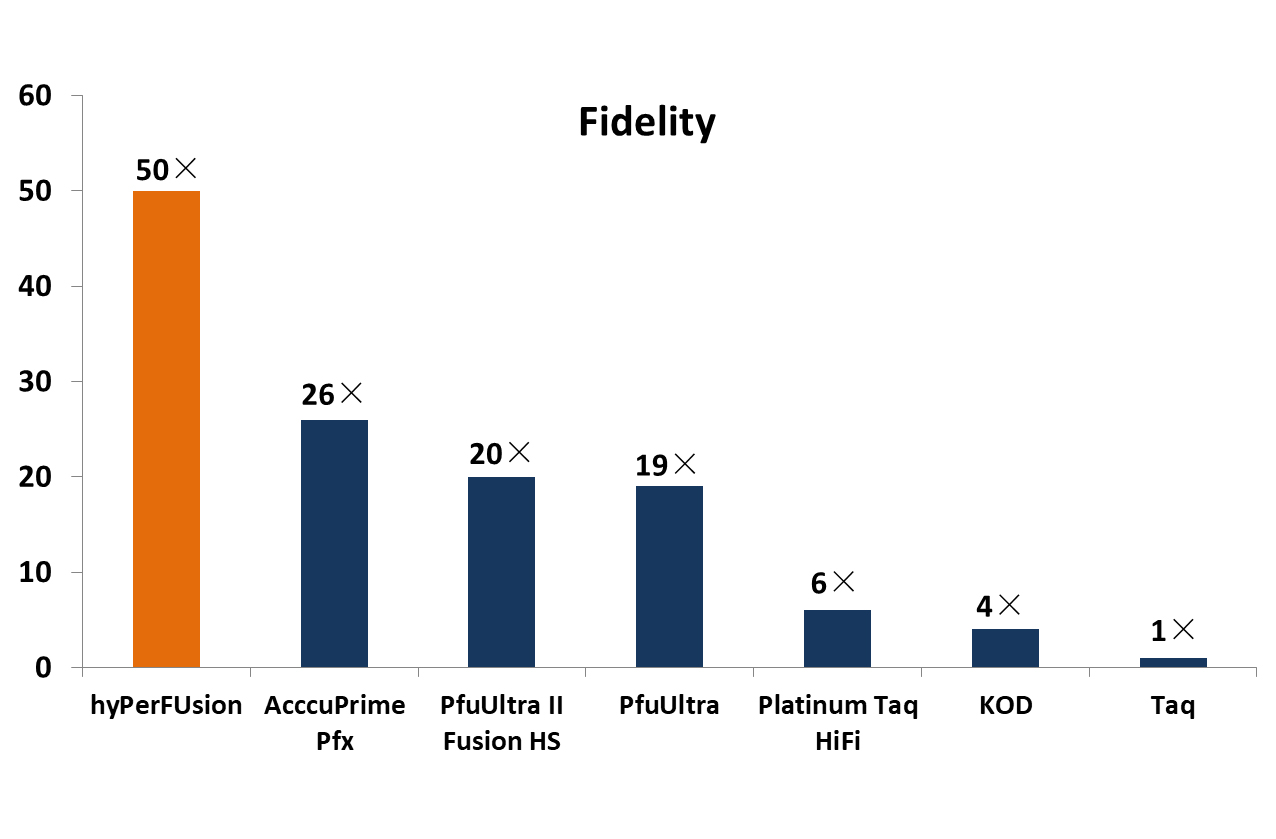
In summary, the SAR of a series of phenylpropanoic acid-free fatty hyPerFUsion™ high-fidelity PCR Kit receptor agonists is described which resulted in the identification of potent FFA4 agonists. The superior pharmacokinetic properties of compound led to its selection as an in vivo tool compound wh
-
br Melanoma cell lines There is suggestive epidemiological e
2021-12-13
Melanoma cell lines There is suggestive epidemiological evidence that omega-3 PUFA can be preventative against melanoma, although the mechanisms of this relationship has not been extensively investigated [65], [66]. A 2014 study demonstrated that DHA inhibited cell proliferation in vitro in A2058
-
Lenvatinib is an orally available
2021-12-13
Lenvatinib is an orally available, multi-targeted tyrosine kinase inhibitor against VEGFR1–3, FGFR1–4, PDGFRα, RET, and KIT [11,12]. In a recent phase III trial for patients with previously untreated uHCC (REFLECT study), lenvatinib showed statistical non-inferiority of overall survival compared to
16703 records 582/1114 page Previous Next First page 上5页 581582583584585 下5页 Last page