Archives
- 2026-10
- 2026-09
- 2026-08
- 2026-07
- 2026-06
- 2026-05
- 2026-04
- 2026-03
- 2026-02
- 2026-01
- 2025-12
- 2025-11
- 2025-10
- 2025-09
- 2025-03
- 2025-02
- 2025-01
- 2024-12
- 2024-11
- 2024-10
- 2024-09
- 2024-08
- 2024-07
- 2024-06
- 2024-05
- 2024-04
- 2024-03
- 2024-02
- 2024-01
- 2023-12
- 2023-11
- 2023-10
- 2023-09
- 2023-08
- 2023-07
- 2023-06
- 2023-05
- 2023-04
- 2023-03
- 2023-02
- 2023-01
- 2022-12
- 2022-11
- 2022-10
- 2022-09
- 2022-08
- 2022-07
- 2022-06
- 2022-05
- 2022-04
- 2022-03
- 2022-02
- 2022-01
-
Previous studies have demonstrated that synaptic
2024-02-29
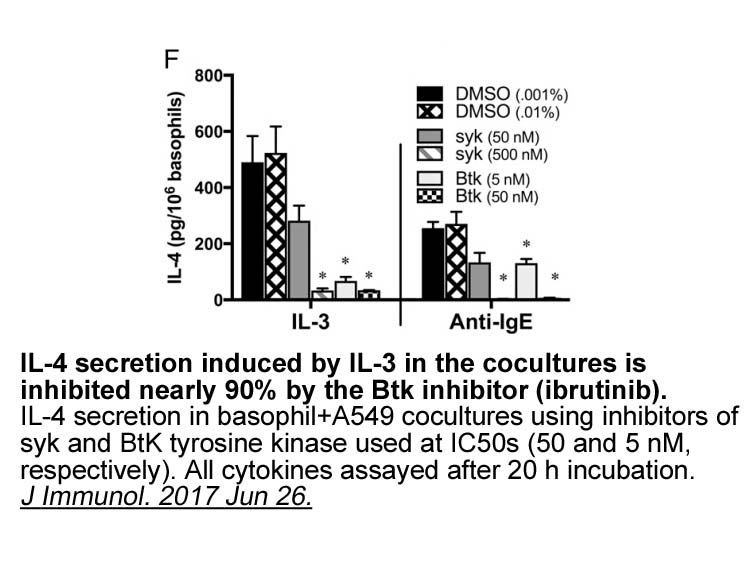
Previous studies have demonstrated that synaptic AMPARs can differ greatly in their mobility; some rapidly and constitutively fasudil in and out of the synaptic membrane, while others remain somewhat stable in the synaptic membrane (Luscher et al., 1999, Luthi et al., 1999). We find that mGluR- and
-
Taken together the results reveal a complex feedback and
2024-02-29
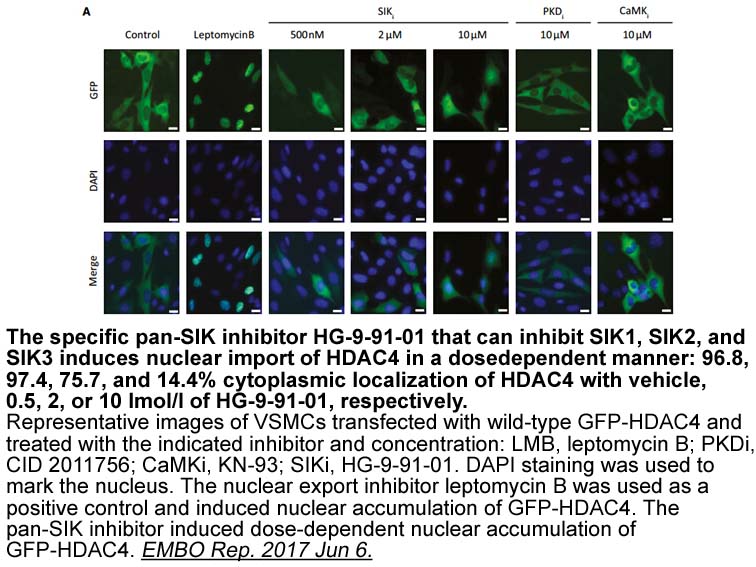
Taken together, the results reveal a complex feedback and feedforward signaling network between the tryptophan metabolic enzymes IDO1/TDO2, the KP metabolite KYN, and the ligand-activated transcription factor AhR (Figure 2). Cancer PF-477736 highjack this signaling circuitry to deregulate immunolog
-
AdipoRon is an orally active synthetic small
2024-02-28
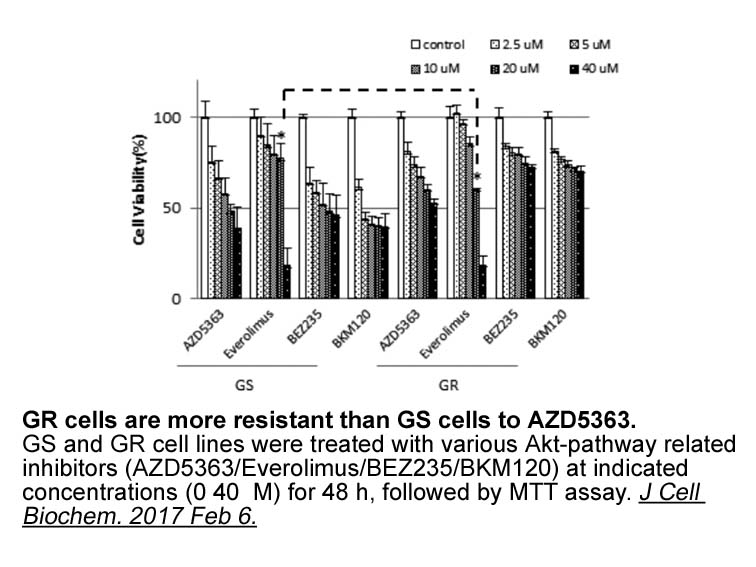
AdipoRon is an orally active, synthetic small molecule that activates adiponectin receptor (AdipoR). It mimics the antidiabetic effects of adiponectin, exhibiting its effect through the activation of AMPK and PPARα pathways via AdipoR1 and AdipoR2, respectively (Fig. 2) [62]. AdipoR activation has r
-
During the year study period
2024-02-28
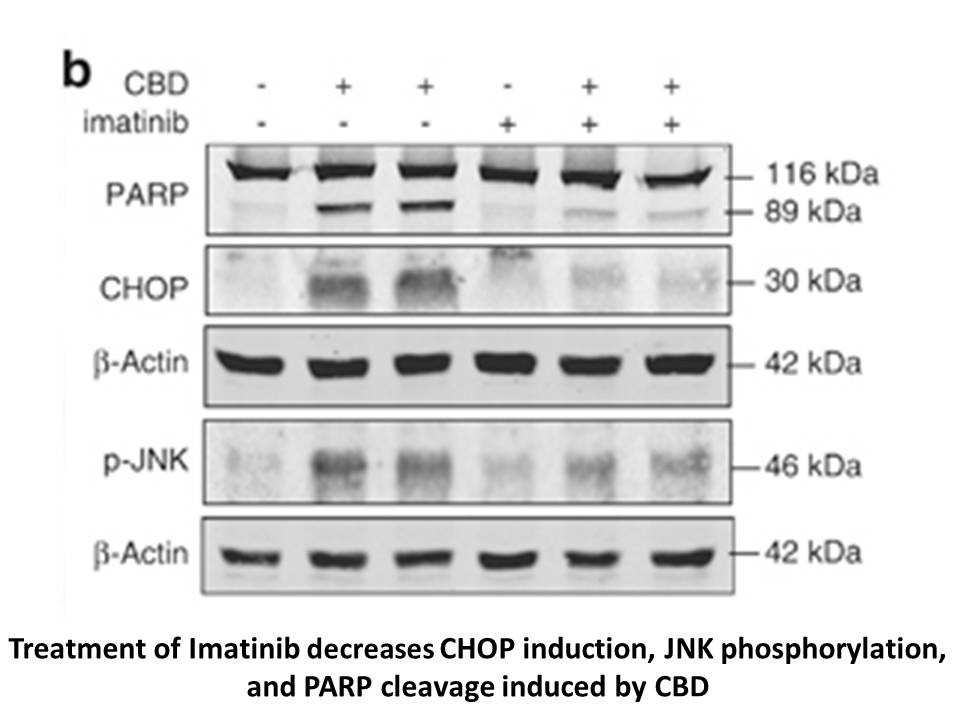
During the 4-year study period, 19.9% of men in the dutasteride group developed prostate cancer as compared to 25.1% in the placebo group, which represents an absolute risk AR-42 inhibitor synthesis of 5.1% for men taking dutasteride (Pe weighed against the prospect of undesirable sexual side effec
-
The relative stereochemistry of both the
2024-02-28
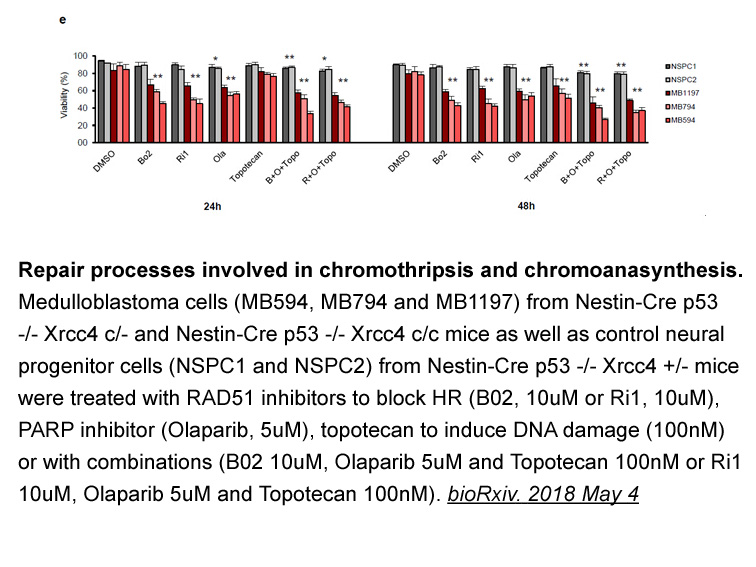
The relative stereochemistry of both the major and minor diastereoisomer of (±)-2-(hydroxymethyl)blebbistatin (±)- (and thus (±)-2-(allyloxymethyl)blebbistatin (±)-) was determined with 1D-NOESY experiments (), as crystallization efforts failed. These experiments revealed an interaction between H an
-
Therefore the rational design of target compounds
2024-02-28
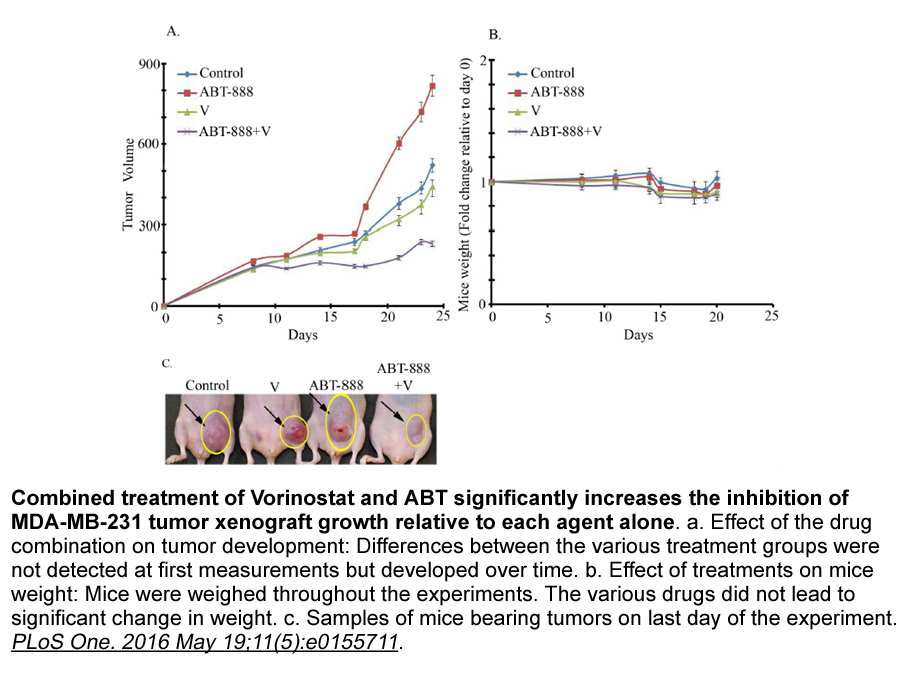
Therefore, the rational design of target compounds is based on the hybrid of attractive phenotypic bis-indole (5, Fig. 1) and sulfonamide moieties, in which the indole core might anticipate in hydrophobic interaction, and the functionality of sulfonamide group may involve in H-bonding with the site
-
The elevated levels of intracellular antioxidant such
2024-02-28
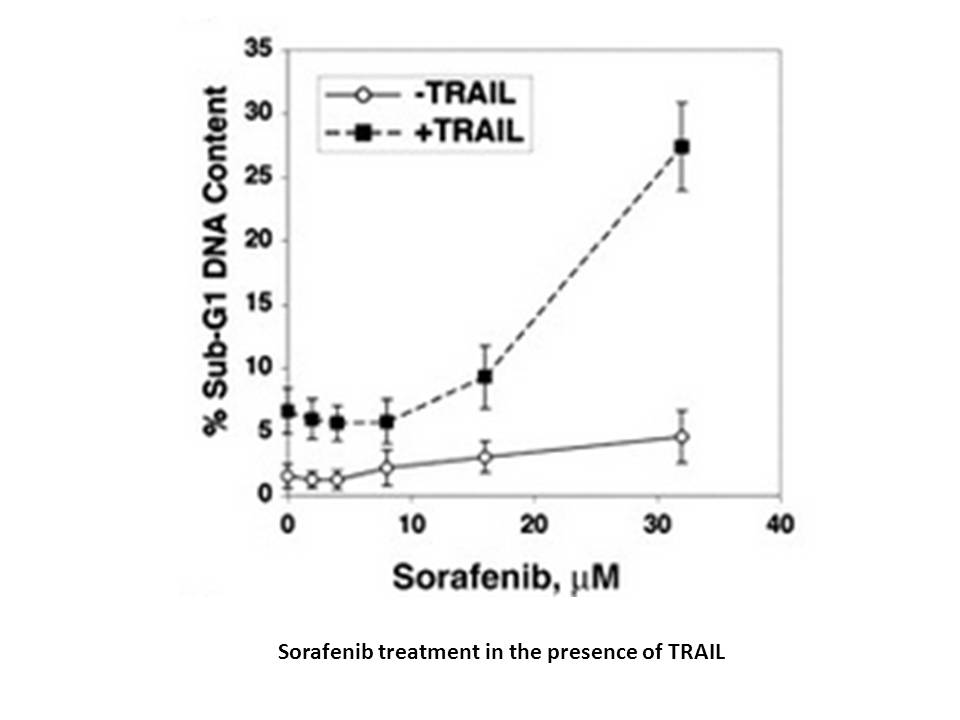
The elevated levels of intracellular antioxidant such as reduced glutathione (GSH) are normally oberserved is various tumor BIX 02565 which confers the chemoresistant to chemotherapy [59]. Therefore, the induction of oxidative stress via elevation of intracellular ROS and dimunition of intracellular
-
br Conclusion br References and recommended reading
2024-02-28
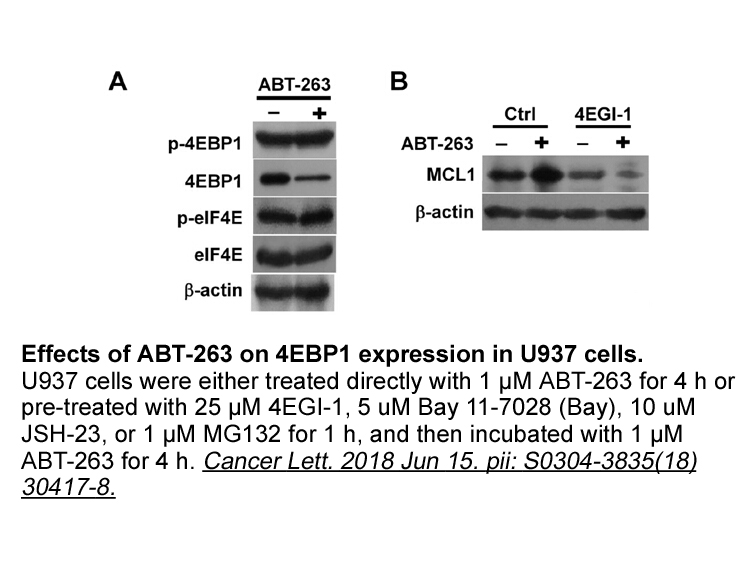
Conclusion References and recommended reading Papers of particular interest, published within the period of review, have been highlighted as: Acknowledgements Introduction Nucleosome, the basic chromatin unit, is composed of DNA and core histones (H2A, H2B, H3 and H4) and organized into
-
br Experimental and computation Standard samples of artemisi
2024-02-28
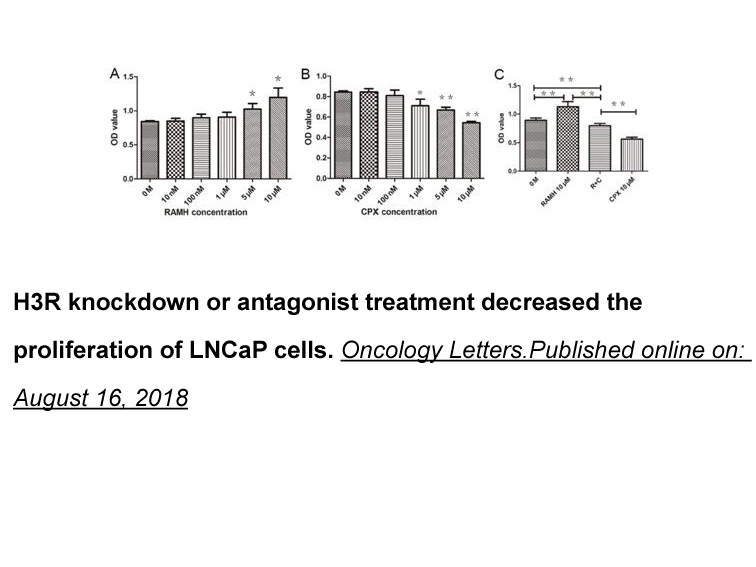
Experimental and computation Standard samples of artemisinin (1) and artemether (2) were purchased from China National Institutes for Food and Drug Control. Their ECD spectra, at a concentration of 1.0–5.0mg/mL in ethanol, were recorded in a quartz cuvette of 1mm optical path length using a Jasc
-
4EGI-1 synthesis The relationship between AG and tau deposit
2024-02-28
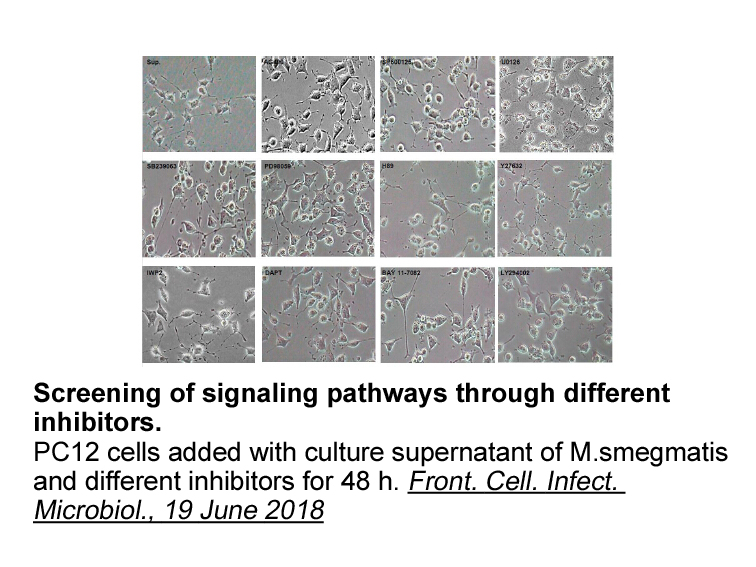
The relationship between AG and tau deposition in the presence of Aβ burden warrants more research in AD and in other primary tauopathies (not associated with accumulation of Aβ plaques). Our findings highlight the importance of measuring AG, as this relationship was not evident for total 4EGI-1 syn
-
It is well known that TCDD is
2024-02-27
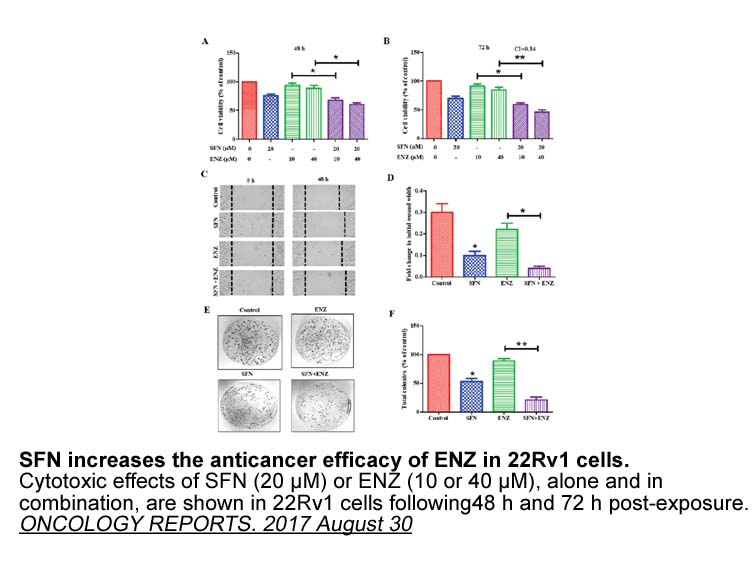
It is well-known that TCDD is the most potent ligand of AhR and it regulates gene expression, such as CYP1A1, via activation of AhR (Mimura and Fujii-Kuriyama, 2003). Besides Tomblin et al. (2016) have recently shown that TCDD via AhR regulated L-type amino 2449 receptor transporter 1 expression in
-
br Adenosine receptors and the adaptive
2024-02-27
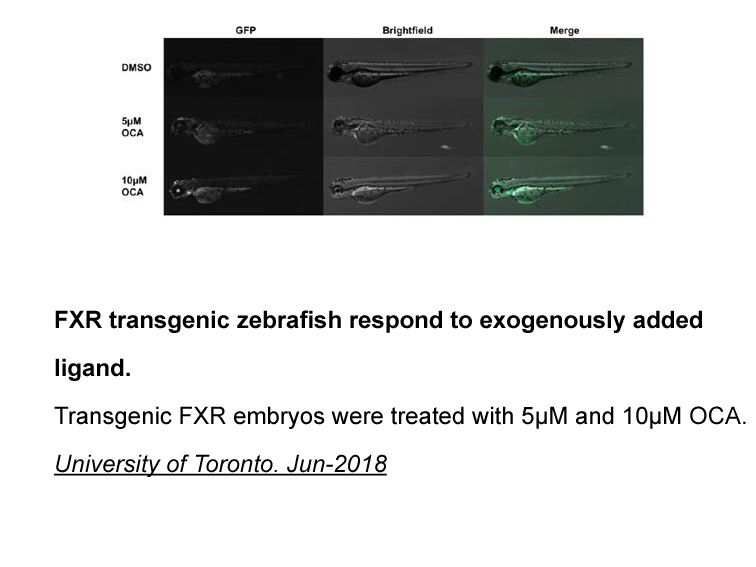
Adenosine receptors and the adaptive immunity T lymphocytes are responsible for the cell-mediated immune response [95]. These cells can be stimulated by the presentation of antigenic moieties by APCs, such as dendritic cells or macrophages [96]. The presentation of antigenic molecules on the APC
-
Application of the broad acting
2024-02-27
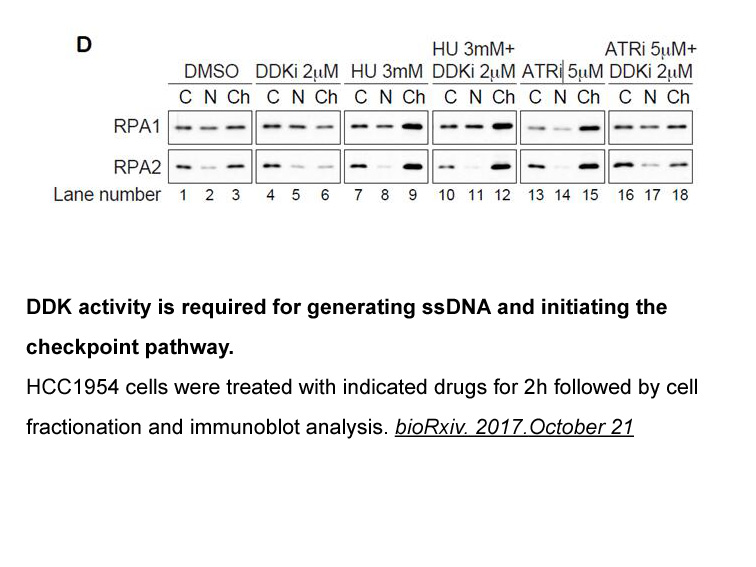
Application of the broad-acting 5-HTR antagonist methiothepin (Bard et al., 1996, Hoyer et al., 1994, Peroutka, 1990) converted the TBS-induced response of both thalamocortical and intracortical A1 synapses from LTP to LTD, an effect that was mimicked by the selective 5-HT2R antagonist ketanserin (L
-
br Studies in zebrafish vascular and
2024-02-27
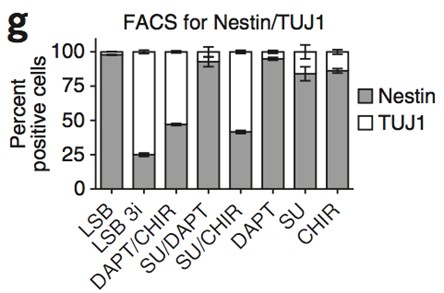
Studies in zebrafish: vascular and neural development and the regulation of left–right asymmetry Zebrafish embryos represent an excellent model system to examine vertebrate vascular development. Major advantages of the zebrafish system include its genetic tractability, small size, external fertil
-
HCC aetiology is multifactorial and the disease is
2024-02-27
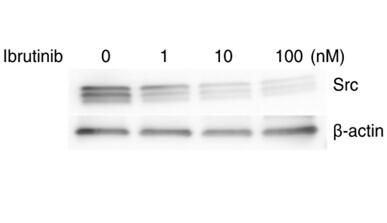
HCC aetiology is multifactorial and the disease is often preceded by other conditions including liver fibrosis and cirrhosis that are associated with HCV, HBV, alcoholic and non-alcoholic hepatitis. The discovery of new therapeutic targets will require a greater understanding of the pathogenic mecha
8643 records 224/577 page Previous Next First page 上5页 221222223224225 下5页 Last page