Archives
- 2025-12
- 2025-11
- 2025-10
- 2025-09
- 2025-03
- 2025-02
- 2025-01
- 2024-12
- 2024-11
- 2024-10
- 2024-09
- 2024-08
- 2024-07
- 2024-06
- 2024-05
- 2024-04
- 2024-03
- 2024-02
- 2024-01
- 2023-12
- 2023-11
- 2023-10
- 2023-09
- 2023-08
- 2023-07
- 2023-06
- 2023-05
- 2023-04
- 2023-03
- 2023-02
- 2023-01
- 2022-12
- 2022-11
- 2022-10
- 2022-09
- 2022-08
- 2022-07
- 2022-06
- 2022-05
- 2022-04
- 2022-03
- 2022-02
- 2022-01
- 2021-12
- 2021-11
- 2021-10
- 2021-09
- 2021-08
- 2021-07
- 2021-06
- 2021-05
- 2021-04
- 2021-03
- 2021-02
- 2021-01
- 2020-12
- 2020-11
- 2020-10
- 2020-09
- 2020-08
- 2020-07
- 2020-06
- 2020-05
- 2020-04
- 2020-03
- 2020-02
- 2020-01
- 2019-12
- 2019-11
- 2019-10
- 2019-09
- 2019-08
- 2019-07
- 2019-06
- 2019-05
- 2019-04
- 2018-11
- 2018-10
- 2018-07
-
A surprising second functional effect was found
2021-08-03
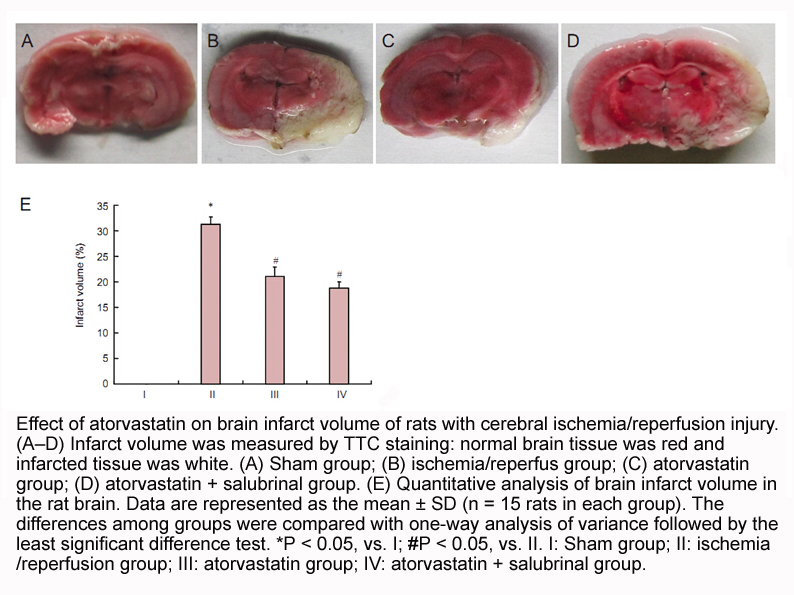
A surprising second functional effect was found in culture experiments. Inclusion of LTD4 reduced the frequency of Fas receptor (CD95) expression. Once again, this effect, although modest, was reversed by a cysLT1 receptor antagonist. The biologic significance of this effect or its mechanism remaine
-
br Transparency document br Acknowledgments
2021-08-03
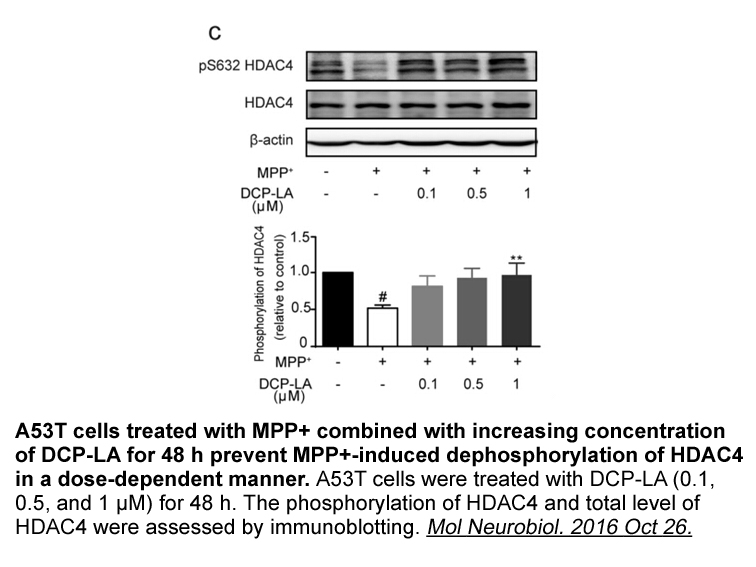
Transparency document Acknowledgments This work was supported by the Ministry of Education, Youth and Sports of the Czech Republic (the National Program of Sustainability I, Grants LO1204 and LO1304), by the Czech Science Foundation (15-17282Y) and by Palacký University Olomouc (IGA_PrF_2017_0
-
br Chemistry Scheme shows the synthesis of compounds from
2021-08-03
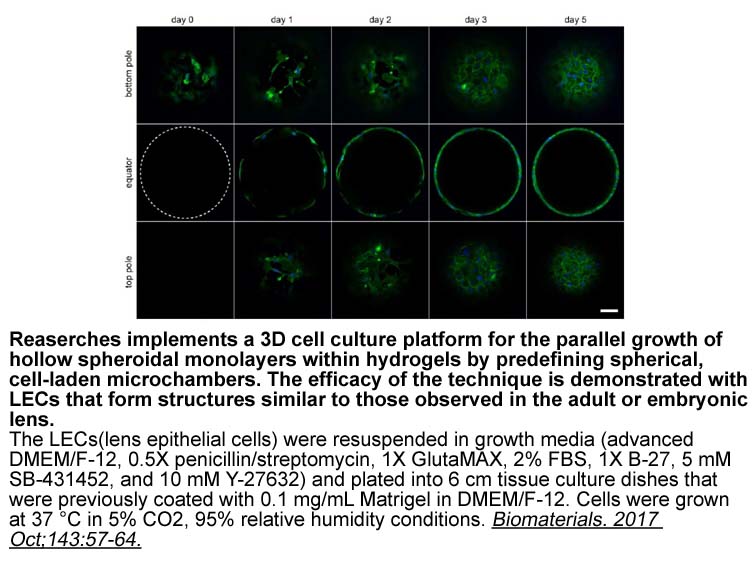
Chemistry Scheme 1 shows the synthesis of compounds 15-1–15-33 from commercially available 2-(4-aminophenyl)acetonitrile (8a). Protection of the starting material 8a with di-t-butyl dicarbonate afforded 9. The reaction of 9 with methyl 1-chloroisoquinoline-4-carboxylate in the presence of sodium
-
Crystal structures of various CRM complexes have provided
2021-08-03
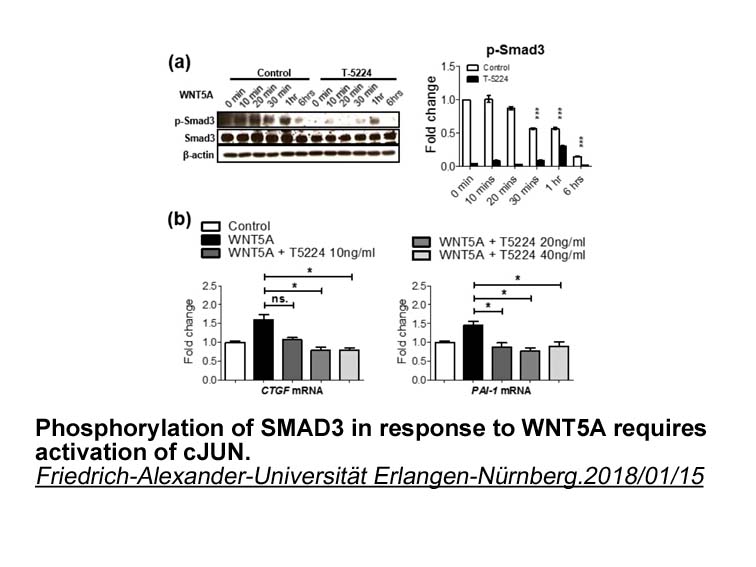
Crystal structures of various CRM1 complexes have provided insight into molecular details of the interactions between CRM1 and its interaction partners during the transport cycle. CRM1 cooperatively binds RanGTP and cargo in the nucleus (Paraskeva et al., 1999). In this ternary complex, RanGTP is lo
-
hUcn II influence on MAP is mediated by the activation
2021-08-03
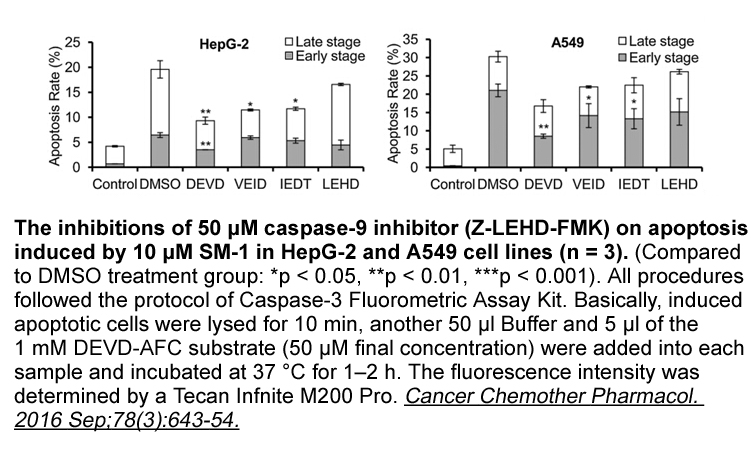
hUcn II influence on MAP is mediated by the activation of CRF2 receptors. In vitro binding studies established that hUcn II is a selective ligand for CRF2 receptors with a slightly higher affinities for CRF2β compared with CRF2α and low or no affinity for CRF1 receptor [13], [19], [24]. Recent in vi
-
Our approach relied on measurement of
2021-08-03
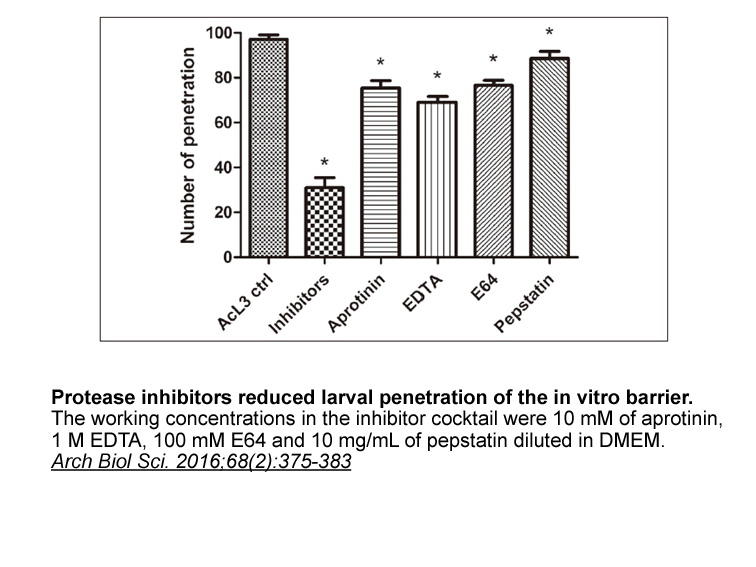
Our approach relied on measurement of bulk solute diffusivity in the three tissue types of interest. Our diffusivity values (Table 3) are on the order of 10−6 cm2/s and are comparable to the PG diffusion coefficient in water at infinite dilution, which is about 10−5 cm2/s at room temperature, as wel
-
br Materials and methods br Results Recombinant N terminally
2021-08-03
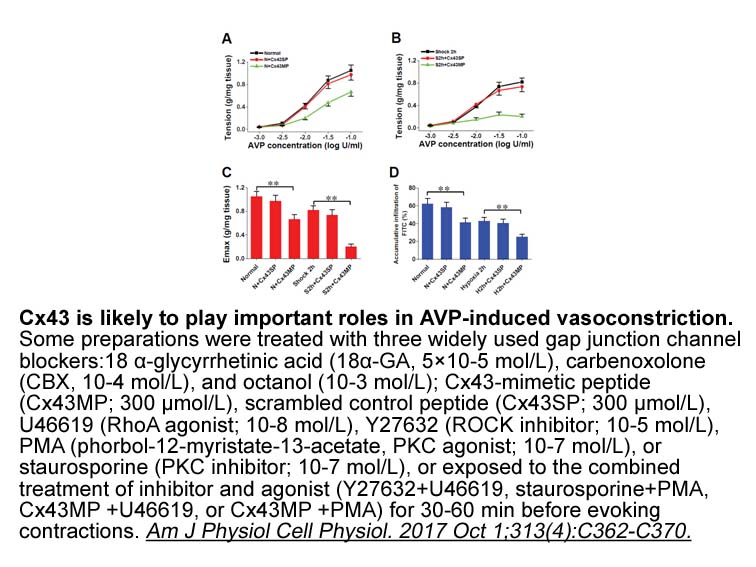
Materials and methods Results Recombinant, N-terminally His6-tagged vCPH was purified to near homogeneity via a modification of the reported procedure and its identity confirmed by intact protein mass spectrometry (Supplementary Fig. 1). As reported, vCPH catalysed two hydroxylations of a PAPK
-
It would be very useful if unphosphorylated CK s
2021-08-03
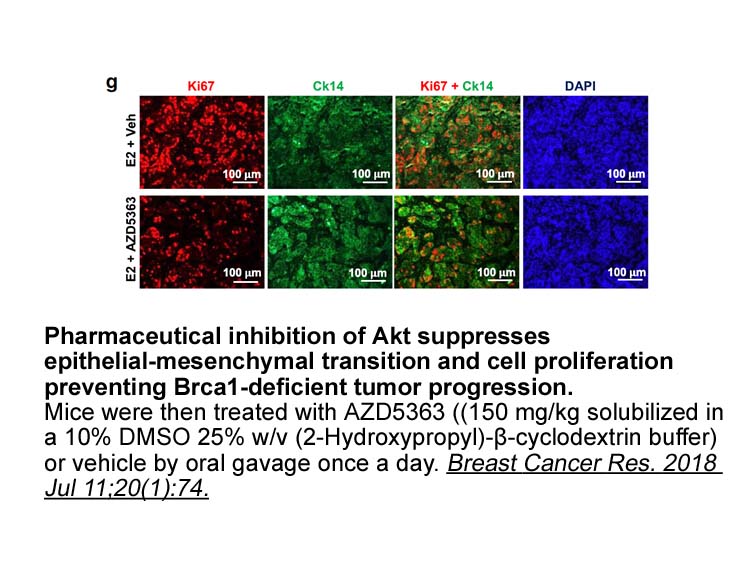
It would be very useful if unphosphorylated CK1s could be prepared using an E. coli expression system without the troublesome in vitro phosphatase treatment. So far, it has been shown that coexpressed λPPase, a Mn2+-dependent protein phosphatase that can dephosphorylate phospho-Ser/Thr/Tyr [20,21],
-
EphB appears to be a low affinity
2021-08-03
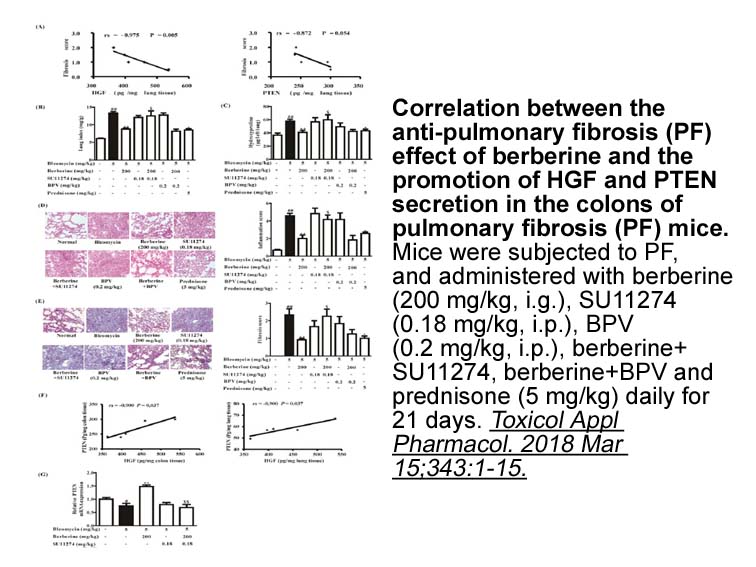
EphB4 appears to be a low-affinity receptor for rhEpo based on the biochemical data. The concentration of rhEpo used for the biological experiments (50 IU/ml) corresponds to 10–15 nM, which is 1% to 2% of the KD value (KD = 881 nM) for the binding of rhEpo to EphB4, as measured in the MST assay. The
-
To develop novel EPAC inhibitors Zhou and
2021-08-03
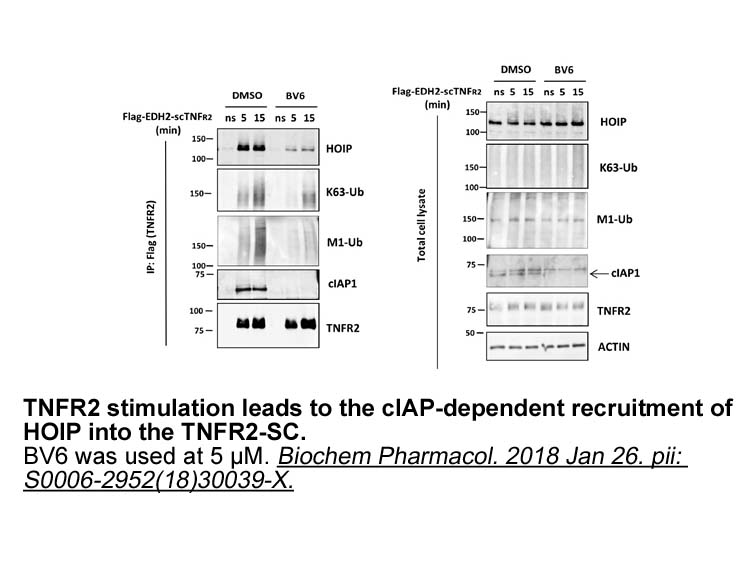
To develop novel EPAC inhibitors, Zhou and co-workers optimized the HTS hit as the chemical lead. After modifications of the substituents on the phenyl ring or C6-position of compound , compound () was identified to be the more potent compound in this series with an IC value of 4.0µM (EPAC2). Dock
-
Chidamide br Methods br Results br
2021-08-02
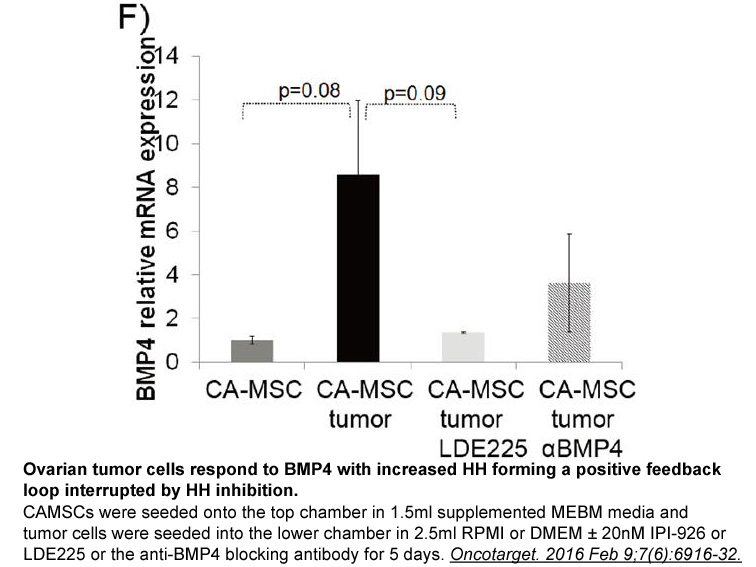
Methods Results Discussion Here we have shown that two GPCR subtypes thought to trigger similar signalling events by coupling to Gαq in fact regulate different signalling networks via coupling to distinct G proteins. Thus global effects regulated by both receptors in events such as cardiac
-
br Expression data suggest involvement of additional TRIMs
2021-08-02
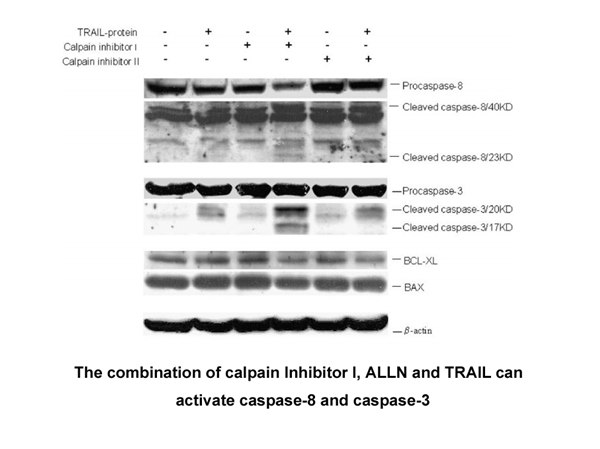
Expression data suggest involvement of additional TRIMs in heart function Given the complexity of the cardiac function, involved molecular pathways and processes, and the fact that only a few of the TRIMs have thus far been shown to have a cardiac role, we hypothesized that there would be more TR
-
br Acknowledgement br Introduction Human dihydroorotate dehy
2021-08-02
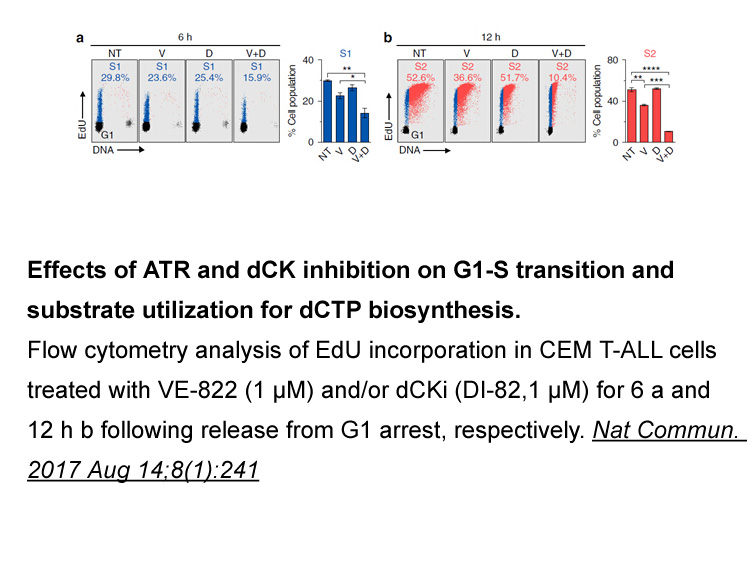
Acknowledgement Introduction Human dihydroorotate dehydrogenase (hDHODH), a flavin-dependent mitochondrial enzyme involved in de novo bromophenol blue mg biosynthesis, is a validated therapeutic target for the treatment of autoimmune diseases such as rheumatoid arthritis and cancer [1], [2],
-
(+)-Aphidicolin Previous studies from our lab looked at the
2021-08-02
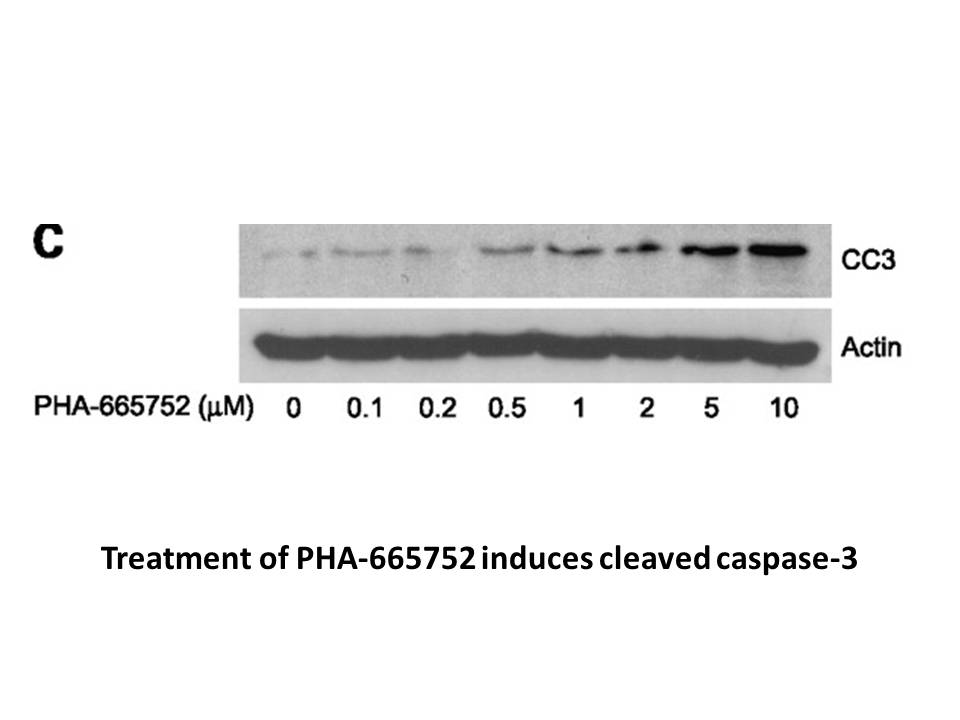
Previous studies from our lab looked at the effect of interfering with crossover helix interactions in TS-DHFR. One study utilized peptide mimetics of the crossover helix to inhibit wild-type TS-DHFR noncompetitively, and with an IC of 230 μM. A second study used a virtual screening approach to iden
-
br Introduction Noncanonical nucleoside triphosphates
2021-08-02
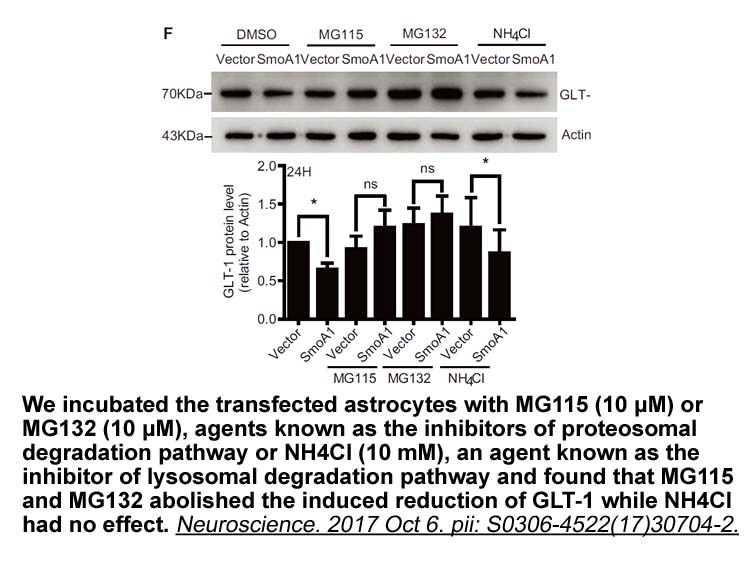
Introduction Noncanonical nucleoside triphosphates (NTPs; such as deoxyinosine triphosphate (dITP), deoxyxanthosine triphosphate (dXTP), 8-oxo-deoxyguanosine triphosphate, and 2-oxo-deoxyadenosine triphosphate are produced from oxidation, deamination, or other modifications of canonical nucleotid
16310 records 634/1088 page Previous Next First page 上5页 631632633634635 下5页 Last page